


Un equipo de ingenieros de una base naval de California ha creado un dispositivo novedoso para probar la capacidad de carga-de los bolardos, que se utilizan para amarrar grandes barcos en el puerto y deben soportar cientos de toneladas de presión.
La Marina de los EE. UU. mantiene miles de bolardos en todo el mundo. Para probarlos, el nuevo dispositivo, de forma rectangular y hecho principalmente de tubo de acero cuadrado, se coloca alrededor del bolardo. Sus puntales ajustables están unidos al muelle.
Se coloca un cable alrededor del bolardo. Los travesaños ajustables y los pasadores de bloqueo colocan el cable en varios ángulos. El operador de prueba activa un brazo hidráulico o cabrestante (tensor) para tirar del cable, aplicando fuerza al bolardo en las medidas deseadas.
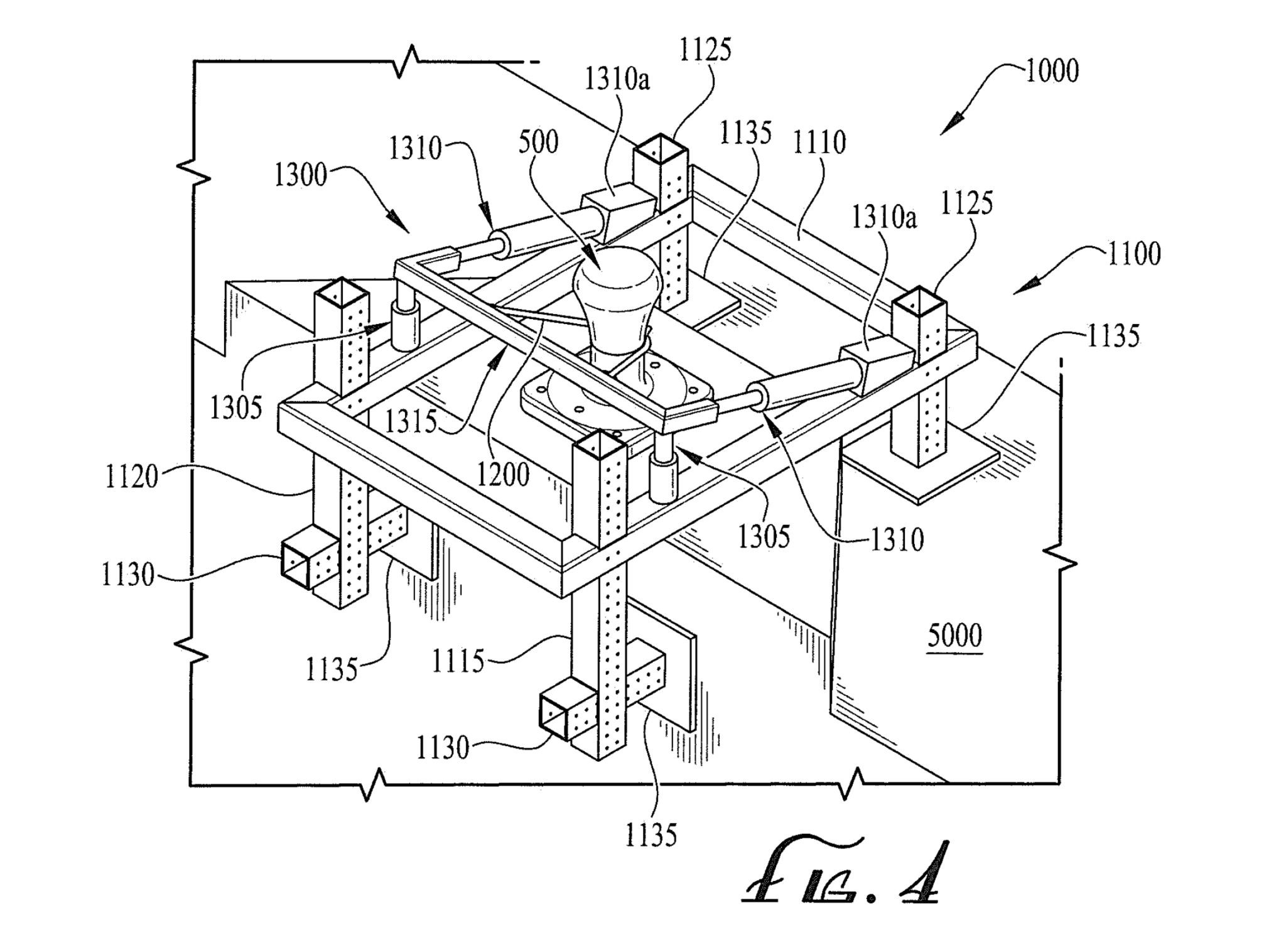
For their work, U.S. Patent 11,215,541, titled In-situ Bollard Tester, was assigned to the U.S. Navy on January 4, 2022. It is the first patent assigned to the Navy this year, which typically receives over 250 patents per year, and makes them available for commercialization by private companies through technology transfer agreements.
Los ingenieros que construyeron el dispositivo son del Comando de Ingeniería de Instalaciones Navales en Port Hueneme. Ellos son Gerritt Lang, Elaina Ryan, Juan Carrillo, Ricardo Contreras, Zachary Harwood y Benjamin Hulbert.
Según su solicitud de patente:
"In-situ tests are the preferred method in determining whether bollards and other mooring hardware are performing at their design capacity. There is, however, no accepted standard testing device and procedure. If a bollard is degraded, a ship's mooring line may break the bollard, resulting in damage to the ship and creating a dangerous situation.
"Past bollard test procedures have included the use of tugboats, which is dangerous and not representative of vertical mooring line angles that may cause uplift on the bollards. In this regard, there is a need for improvement to develop a safe device and procedure for testing bollards in-situ."
Interested in using this device? It's not yet available or for sale, but the newly issued 20-year utility patent can now be licensed by the Navy to private companies who can then commercialize it.
TechLink, the U.S. Navy's national partnership intermediary for technology transfer, guides companies through the licensing process. To learn more tap the contact button below.


